
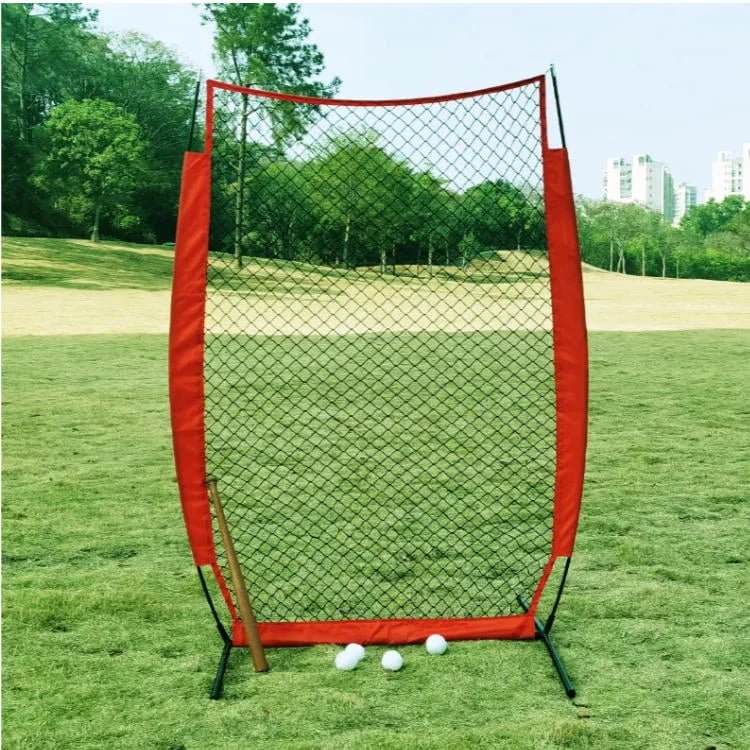
Baseball Training Net Buying Guide: Materials, Sizes and Applications
Choosing the right baseball training net can make the difference between effective practice sessions and constant product failures. Beyond sizes and materials, understanding applications and specifications is vital for making informed purchasing decisions. Let’s dig into how materials, sizes, and applications impact performance and durability.
Baseball training nets come in various materials, sizes, and designs tailored to specific practice needs, including batting, pitching, and throwing drills.[^1] Buyers should prioritize performance factors like netting strength, seam durability, and frame stability based on intended use.
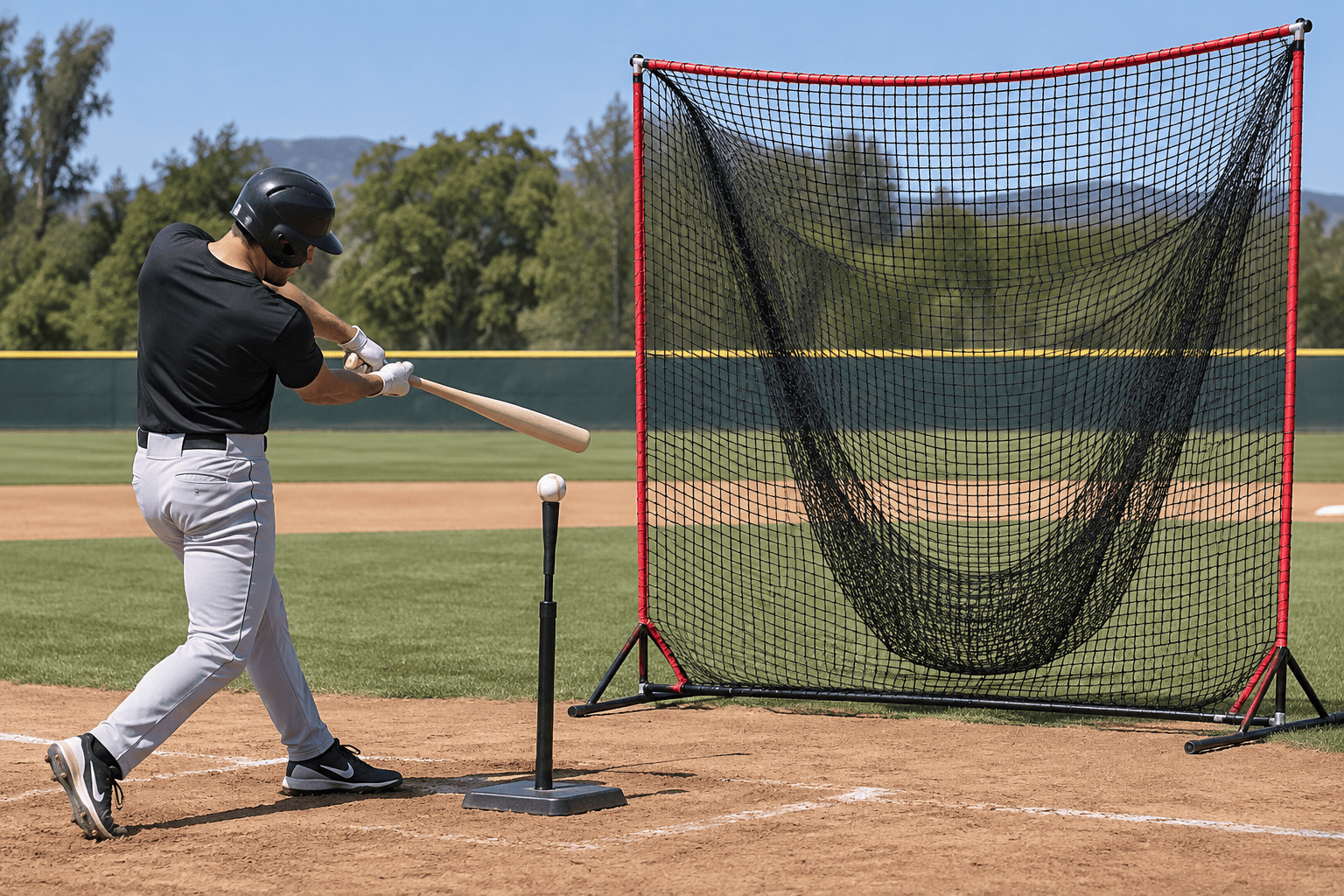
As one of the fastest-growing product categories in sports equipment exports, baseball training nets demand both precision in production and an understanding of market preferences. This guide will help you evaluate specifications clearly and choose the most suitable net for your needs.
What are the common materials used in baseball training nets?
The material of a baseball training net directly influences its durability, weight, and resistance to impact stress.
Baseball training nets are made from Polyester, HDPE (High-Density Polyethylene), and PE (Polyethylene) fibers. Polyester nets offer strength and UV-resistance, while HDPE excels at absorbing high-impact hits without tearing.[^2] Lightweight PE nets work well for recreational applications.
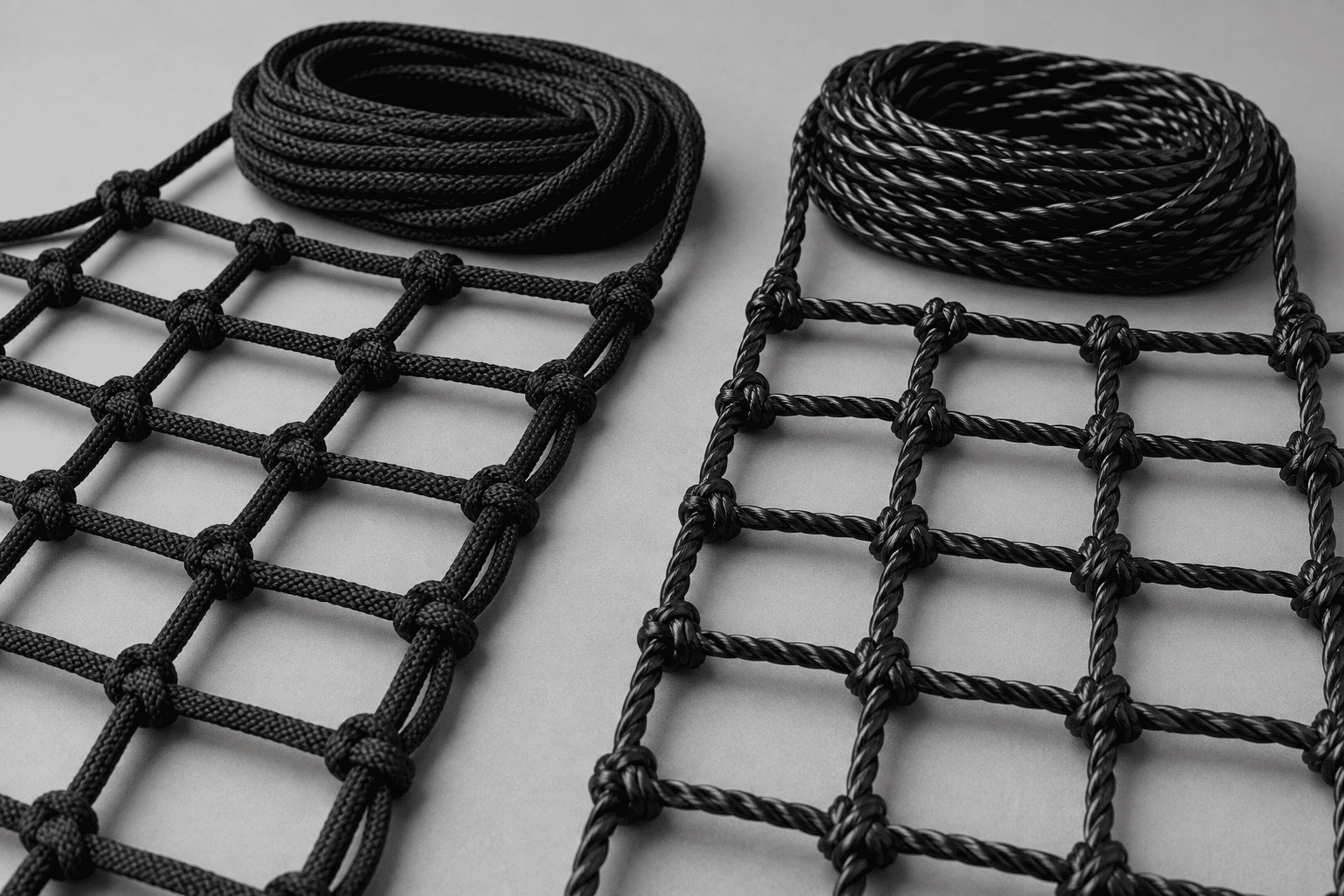
Breaking down the popular materials:
-
Polyester Netting
- Common for professional-grade batting cages and pitching screens because of its strength and outdoor weather resistance.
- Often used in #42 configurations for maximum durability.
-
HDPE Netting
- Widely preferred for heavy-duty applications like batting cages and practice nets.
- Resilient to regular high-impact hits and often features knotless designs.
-
Polyethylene (PE) Netting
- Lightweight and cost-effective, this material dominates home-use pop-up nets.
- Best for portability-focused products due to its light structure.
Key Tip:
When selecting materials, professional teams should opt for Polyester or HDPE nets (#36+ thread count). Home or recreational users may prioritize affordability over heavy-duty configurations.
How do net sizes affect usability in baseball training?
Baseball training net sizes must match the scope of practice. For example, wide batting cages suit team drills, while compact nets work better for individual sessions.
Batting cages range from 12×14×70ft nets for indoor facilities to compact 7×7ft nets for individual hitting drills.[^3] Size matters in both usability and portability, making application-specific nets essential for purchase decisions.
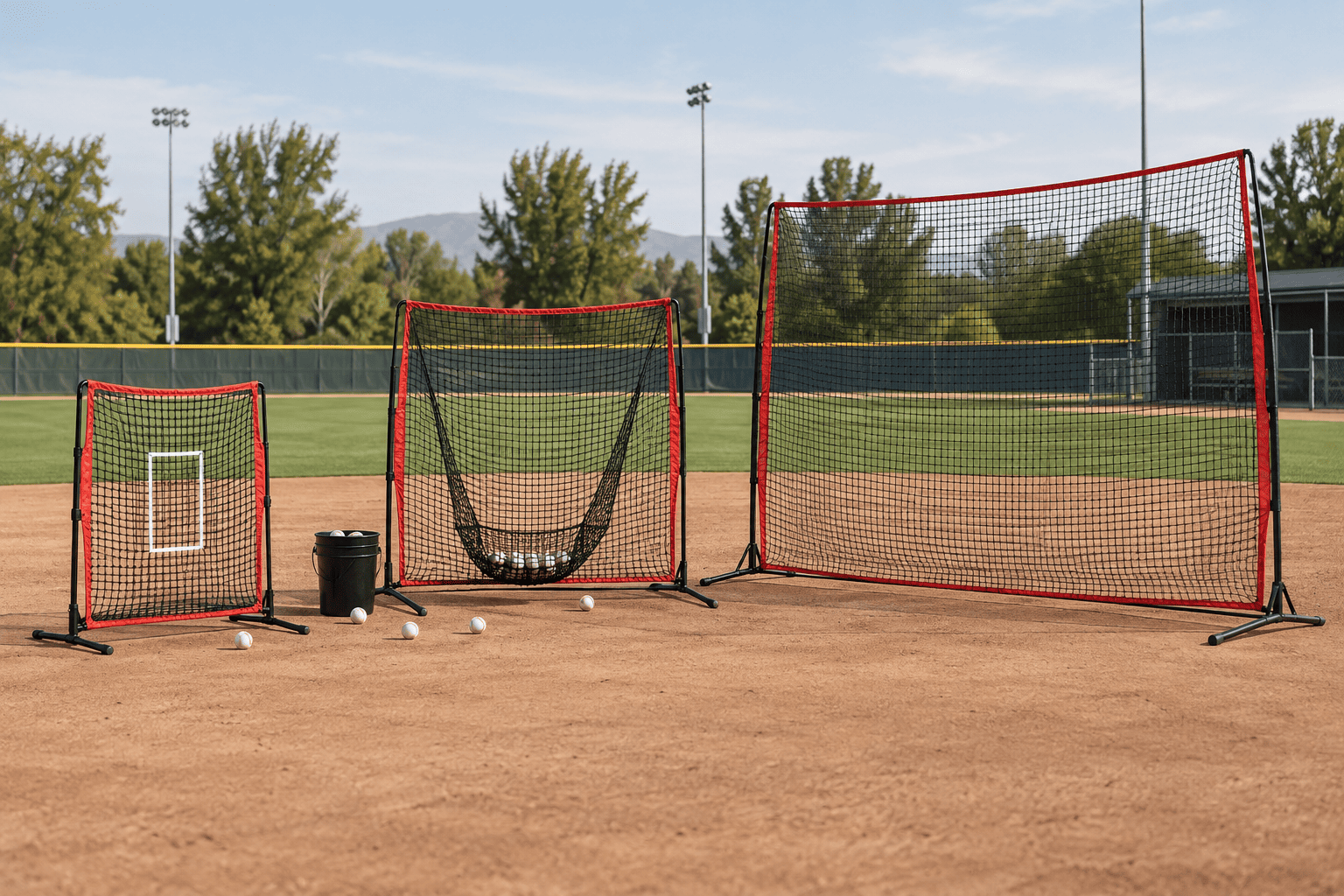
Popular Net Sizes for Specific Applications:
| Type | Typical Size | Ideal Application |
|---|---|---|
| Batting Cage | 12×14×70ft | Professional team batting practice |
| L-Screen Net | 7×7ft | Protecting pitchers during drills |
| Pop-Up Training Net | 5–7ft wide | Portable pitching and hitting for home users |
Helpful Considerations:
For portability, choose smaller nets like ZRC’s instant baseball throwing net. For professional drills, larger cages are non-negotiable — look for heavy-duty models like ZRC’s batting practice net.
How does application impact durability requirements?
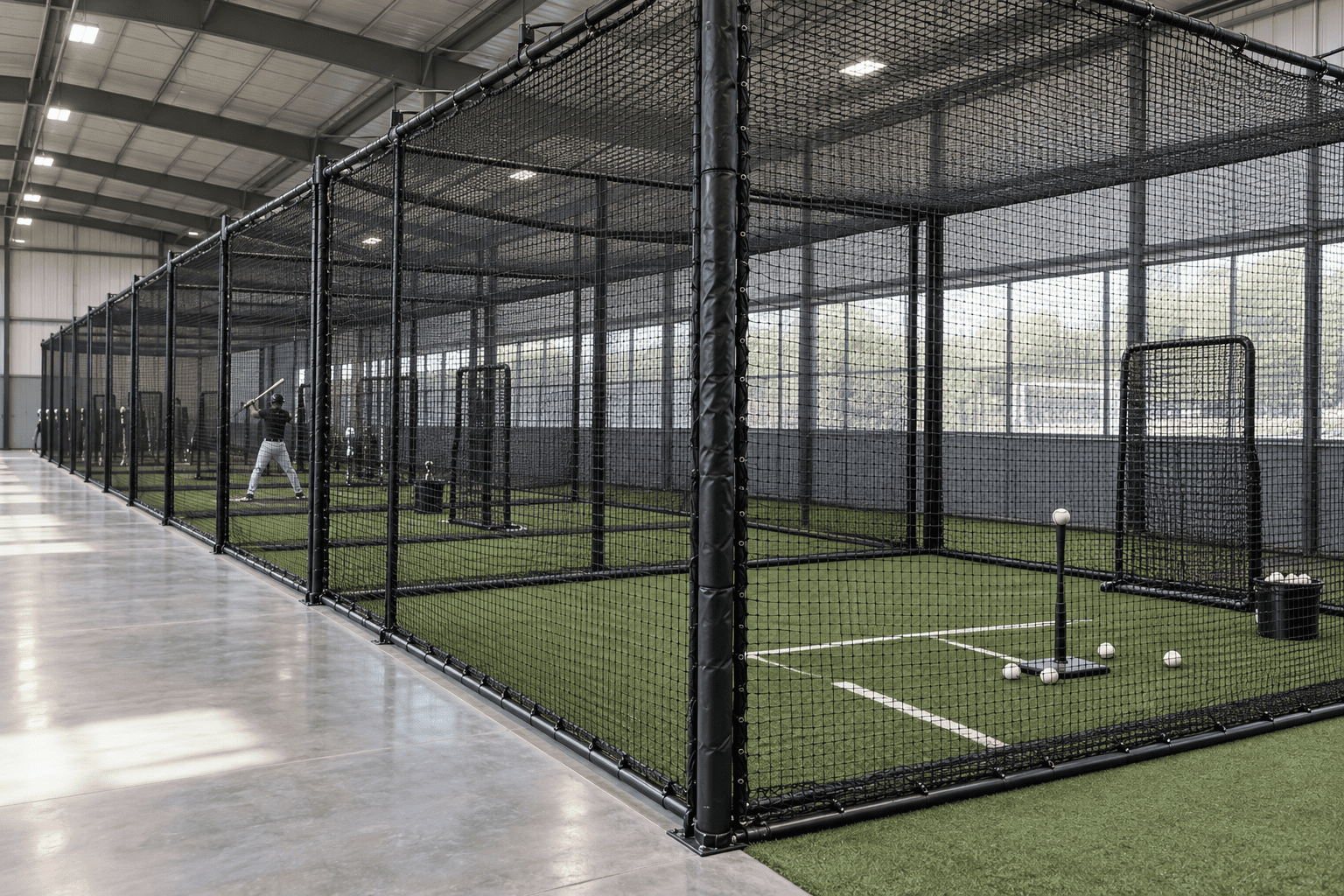
Baseball nets face targeted stress depending on their use case — batting nets require puncture-proof resilience, pitching screens need seam stability, and throwing nets should focus on portability.
Durable materials, reinforced seams, and high-thickness frames help reduce common failures like tearing, bent frames, and broken seams in baseball training nets.[^4] Application optimization minimizes complaints such as wear in striking zones and seam bursts.
Common Failures and Solutions:
-
Tearing at Strike Zones
- Occurs due to repeated high-velocity impact during batting practice.
- ZRC recommends HDPE double-layer reinforced nets like this product.
-
Seam Breakages
- Weak stitching can fail after extended use.
- Use industrial-grade threads (#16+) and double-edge stitching in high-stress areas for improved durability.
-
Frame Bending
- Lightweight frames often buckle under pressure.
- Look for designs with 1.5mm steel tubing and diagonal braces, such as ZRC’s 7×7ft L-Screen net.
Pro Tips for Applications:
Evaluate the primary training goal (batting, pitching, or throwing) before buying nets.[^5] High schools, amateur leagues, and professional teams can benefit from tailored nets structured for their specific performance needs.[^6]
What should buyers know about channel-specific packaging and certifications?
Different purchasing channels have unique requirements, especially for packaging and certifications:
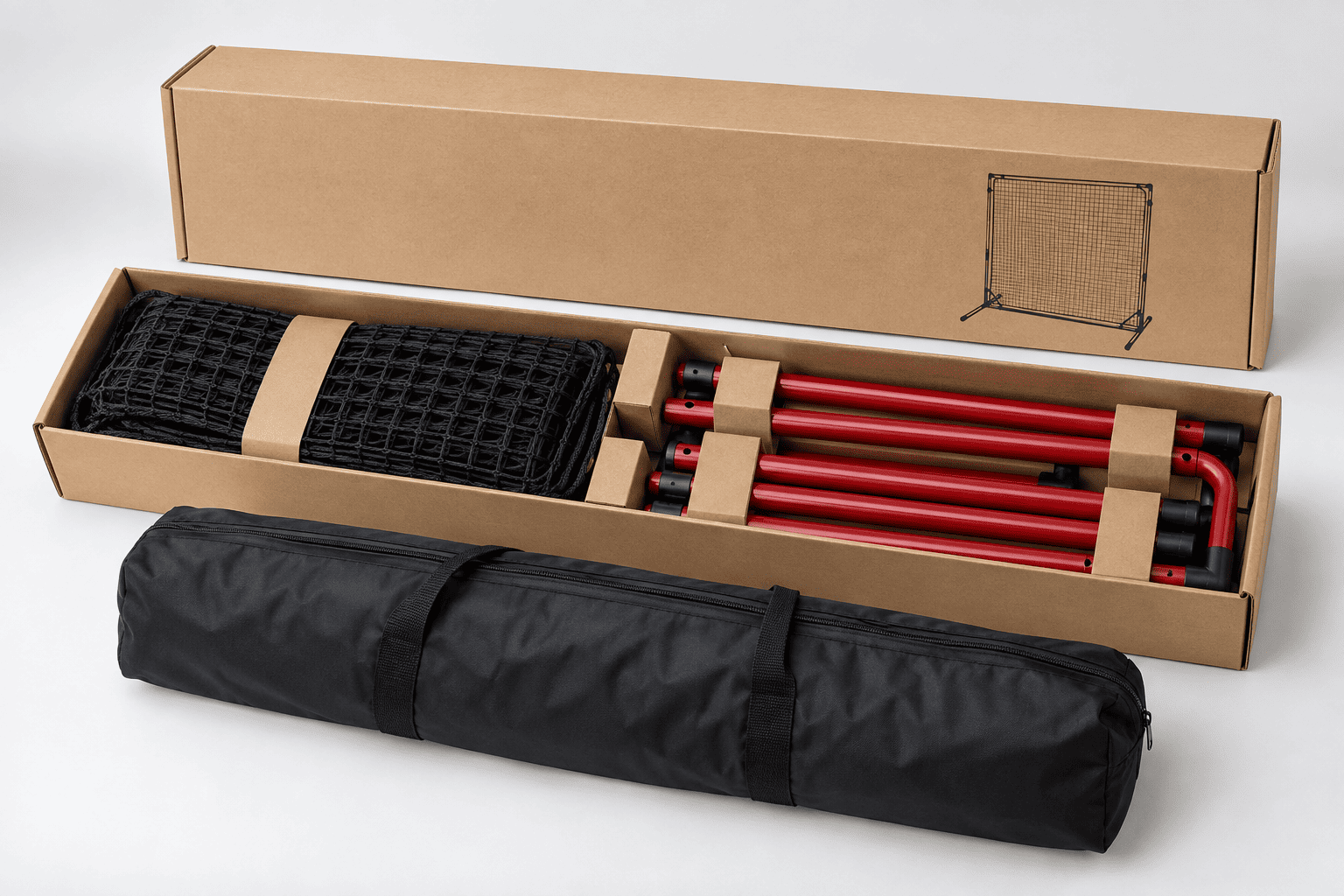
Professional teams buy from distributors requiring bulk packaging, local inventory, and certifications.[^7] Amateur leagues and individual buyers typically shop on Amazon, requiring retail packaging optimized for FBA logistics.
Key Channel Considerations:
-
Sports Distributors:
- Requires certification for net materials and fire safety compliance.
- Prefers bulk orders shipped to local warehouses.
-
Amazon and E-commerce:
- FBA-compliant retail packaging is critical.
- Products like ZRC’s pitcher’s pocket softball net are ideal for home training market.
Pro Insight:
Brands serving both channels must segregate products by certifications and packaging types early in the development chain to avoid delays or complaints.
Frequently Asked Questions
What is the best material for professional batting cages?
For professional batting cages, heavy-duty HDPE or Polyester nets (#36+ thread count) work the best. These materials withstand frequent, high-velocity hits and UV exposure in outdoor settings.
Can baseball training nets be used for softball?
Yes, most baseball training nets are versatile enough to handle softball practice as well. Ensure the net can handle the larger ball size and slower pitch speed associated with softball.
What certifications are necessary for sports distributors?
Certification for flame resistance, material durability, and UV protection may be necessary for professional-grade nets.[^8] Always confirm with distributors before procurement.
Are portable nets durable?
How do I reduce common failures in baseball nets?
Choose nets with reinforced HDPE layers for strike zones, industrial stitching to prevent seam bursts, and sturdy steel frames to avoid bending under impact stress.
Conclusion
Selecting the ideal baseball training net requires balancing material durability, application-specific sizes, and channel requirements. Polyester and HDPE dominate professional-grade nets, while PE targets recreational users. Overlooking details like reinforced seams, appropriate packaging, and certifications can lead to buyer regret or product complaints.[^10]
Explore ZRC’s range of baseball training nets to suit professional, team, and home practice needs:
- HDPE baseball net with ball holes
- Instant baseball throwing net
- Pitcher’s pocket baseball and softball net
- Portable 7×7ft L-Screen net
- Big-mouth batting practice net
[^1]: "Nets for Baseball & Softball | TrainingNets", https://www.trainingnets.com/collections/all-hitting-nets?srsltid=AU7gw4X13HLh7X2D3XbZR6BO5kYI9-h_N9uecLgyUjJspKmB0-oQMiw8. Baseball training nets are often categorized by their intended use, such as batting cages, pitching screens, and throwing nets, which are tailored to specific practice needs. See Wikipedia's entry on baseball equipment for more details. Evidence role: general_support; source type: encyclopedia. Supports: Baseball training nets are designed for specific applications like batting, pitching, and throwing drills.. Scope note: The source may provide general descriptions but not specific product examples. [^2]: "Sun‐protective Properties of Technical Sportswear Fabrics ...", https://pmc.ncbi.nlm.nih.gov/articles/PMC10086949/. Research on synthetic fibers confirms that polyester exhibits high UV resistance, while HDPE is known for its ability to absorb impact without tearing. See studies on polymer applications in sports equipment. Evidence role: mechanism; source type: research. Supports: Polyester nets are UV-resistant, and HDPE nets are impact-resistant.. Scope note: The findings may apply broadly to these materials but not specifically to baseball nets. [^3]: "Batting Cage Dimensions: Choosing the Right Size ...", https://thebaseballhome.com/blogs/news/batting-cage-dimensions?srsltid=AU7gw4WLx3eFkBcf5byMJ32eajHTDkx078D89W4Sldn_aGewj1X3ywXF. Educational resources on sports facility design often list standard batting cage dimensions, including large indoor setups and compact nets for individual drills. Evidence role: statistic; source type: education. Supports: Batting cages are available in sizes ranging from 12×14×70ft to 7×7ft.. Scope note: The dimensions may vary depending on the manufacturer and intended use. [^4]: "Sport and Outdoor Design 1 Strands and Standards", https://www.schools.utah.gov/cte/_cte/strands/SportsOutdoorDesign1.pdf. Studies on sports net durability suggest that reinforced seams and thicker frames can significantly reduce wear and tear under high-impact conditions. Evidence role: mechanism; source type: research. Supports: Reinforced seams and high-thickness frames improve durability in baseball training nets.. Scope note: The findings may not apply universally to all baseball nets. [^5]: "Networking Technology and Systems (NeTS)", https://www.nsf.gov/funding/opportunities/nets-networking-technology-systems. Educational guides on sports equipment emphasize the importance of matching nets to specific training goals. Evidence role: general_support; source type: education. Supports: Evaluating training goals is important when purchasing baseball nets.. Scope note: The advice may not apply universally to all buyers. [^6]: "Baseball Nets - Batting Cage Netting | Backstop Nets", https://netsofamerica.com/?srsltid=AU7gw4XPWIEoTH9-zCt_dHKsPc5ad6mtudfK5IYJEruN1TLteLPT-AdH. Educational resources on sports equipment suggest that tailored nets improve performance by addressing specific training needs. Evidence role: general_support; source type: education. Supports: Tailored nets can benefit high schools, amateur leagues, and professional teams.. Scope note: The benefits may vary depending on the level of play and training goals. [^7]: "Definition of Registration Terms | PHMSA", https://www.phmsa.dot.gov/registration/definition-registration-terms. Institutional purchasing guidelines for sports equipment often emphasize bulk packaging and certifications for professional use. Evidence role: general_support; source type: institution. Supports: Professional teams often require bulk packaging, local inventory, and certifications for baseball nets.. Scope note: Specific requirements may vary by team or distributor. [^8]: "N.Y. Comp. Codes R. & Regs. Tit. 12 §§ 45-2.23 | US Law", https://www.law.cornell.edu/regulations/new-york/12-NYCRR-45-2.23. Government safety standards for sports equipment often include certifications for flame resistance and UV protection. Evidence role: expert_consensus; source type: government. Supports: Professional-grade nets may require certifications for flame resistance, material durability, and UV protection.. Scope note: The standards may vary by region or governing body. [^9]: "What is the durability of Gamma portable pickleball nets?", https://www.facebook.com/groups/1340630926008388/posts/32071777945800283/. Research on sports net materials indicates that lightweight designs often sacrifice durability for portability. Evidence role: mechanism; source type: research. Supports: Portable training nets are less durable than fixed nets due to their lightweight construction.. Scope note: The findings may not apply to all portable nets. [^10]: "Sport and Outdoor Design 1 Strands and Standards", https://www.schools.utah.gov/cte/_cte/strands/SportsOutdoorDesign1.pdf. Institutional case studies on sports equipment highlight complaints related to durability and certification issues. Evidence role: case_reference; source type: institution. Supports: Neglecting reinforced seams, packaging, and certifications can lead to buyer complaints.. Scope note: The cases may not represent all buyers or products.
Questions or Comments?
Share your thoughts below. For OEM/ODM inquiries, contact our factory team directly by email or WhatsApp.