How to Write a Sports Net Specification: Material, Twine, Mesh, Construction and Border
Drafting a sports net specification can be tricky. Buyers often overlook crucial details, leading to mismatched quotations and substandard products.[^1] From material choice to twine size, mesh dimensions, construction type, and border finishing, creating a full specification ensures suppliers fully understand your requirements. Let’s dive deeper into how to draft a robust specification.
To write a sports net specification, include material type, twine size, mesh aperture, construction technique, border design, and any processing requirements. This guarantees comparable quotations and eliminates mistakes in production.
Without these details in your specification, quotes can vary wildly—often because suppliers interpret vague requests differently. Below, I’ll break down each component and explain how buyers can make informed decisions.
Why is material choice critical for sports net specifications?
The wrong material can compromise durability and performance. Here's how to prevent costly mistakes.
The best material for sports nets depends on the application. Nylon and polyethylene are popular due to strength and weather resistance.[^2] Buyers must account for climate conditions, UV exposure, and wear factors.[^3]
Common materials for sports nets:
- Nylon: Flexible and strong; ideal for indoor nets like volleyball or badminton.
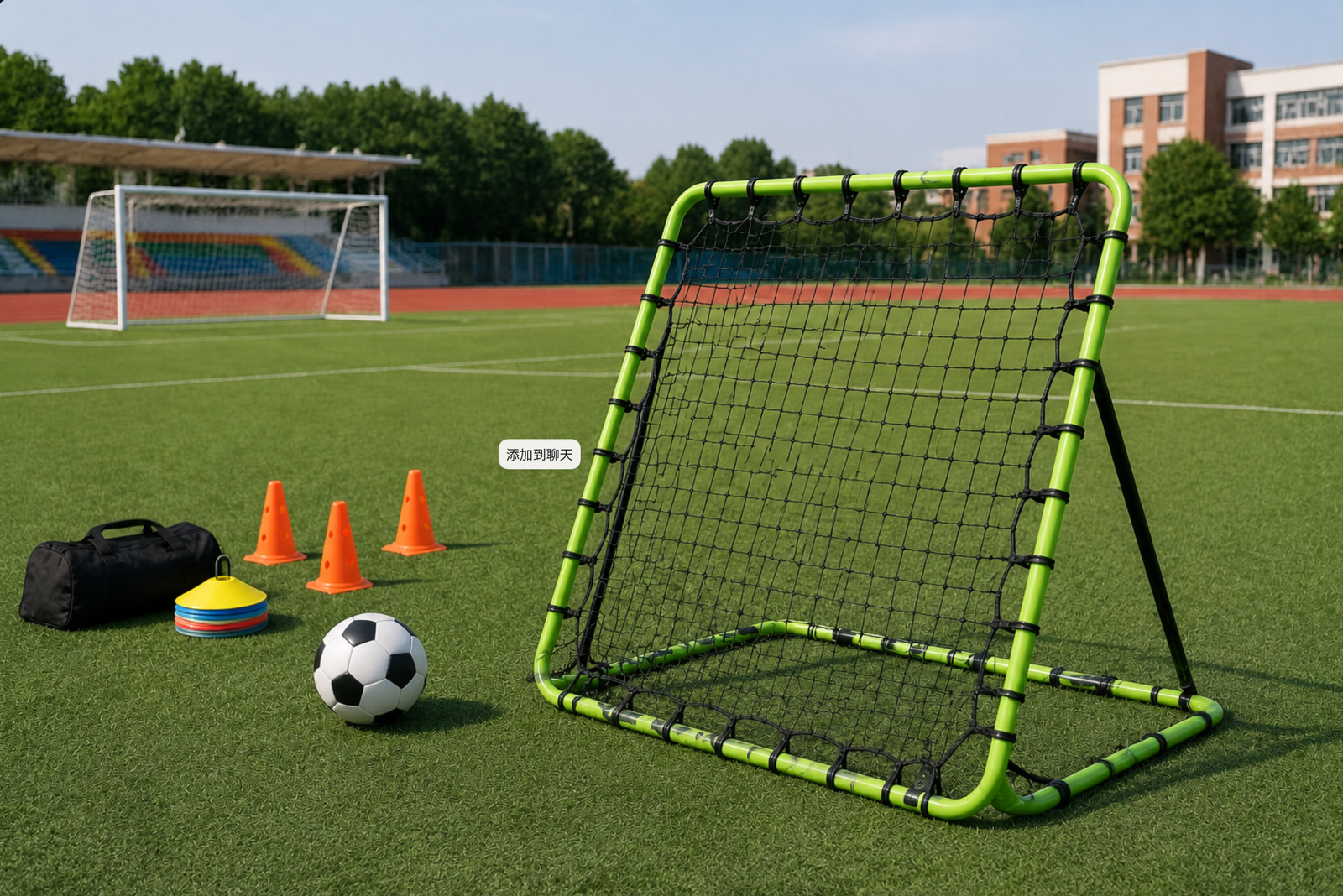
- Polyethylene: Stiffer and weather-resistant; better for outdoor soccer and baseball nets.
- Polypropylene: Lightweight but less durable; suited for low-impact sports nets.
When choosing, focus on UV protection, tensile strength, and abrasion resistance, especially for outdoor applications. Ask suppliers whether their materials comply with industry standards for sports training products (e.g., ASTM or ISO).
How do twine size and density affect net performance?
Twine dimensions directly impact durability and functionality—critical for heavy-use sports nets.
Net twine size affects the strength and lifespan of sports nets. Thicker twines are ideal for professional-grade nets, while thinner twines work for beginner or hobby-level use.[^4] Define the twine diameter in millimeters when sharing specifications.
What twine specifications should you provide?
-
Twine size (millimeters)
- Professional soccer goal nets: 3–4mm
- Training rebounder nets: 2mm
- Recreational nets: 1–1.5mm
-
Twine construction: Multifilament or monofilament yarns
-
Density calculations: Provide weight per meter if needed
A thicker twine size adds durability but affects flexibility and weight. For demanding applications like baseball or lacrosse, consider adding extra reinforcement in high-impact zones.
Why measure mesh aperture precisely?
Specify the exact mesh aperture in millimeters to align with its intended sport. Square and diamond meshes come with distinct advantages depending on ball trajectory control and manufacturing efficiency.
Tips for selecting mesh measurement:
- Soccer nets: 100–120mm (square or diamond)
- Golf practice nets: 20–25mm for high-impact balls
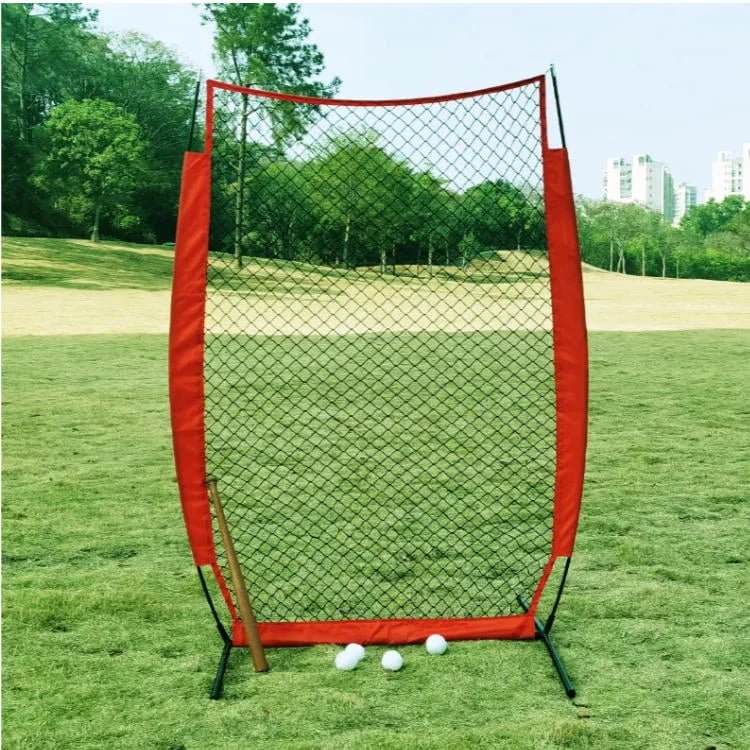
- Baseball nets: 45–60mm for secure catches
- Badminton nets: Thin mesh fabric; typically 15mm
Top suppliers should measure apertures diagonally for diamond meshes. Ensure all quotations follow the same standard to avoid inconsistencies.
Why is construction consistency important in custom sports nets?
Net construction impacts everything from efficiency to aesthetic appeal. Buyers often under-specify this area.
Net construction refers to how the twines are woven or knotted. Knotless nets minimize wear, while knotted nets maintain shape under stress.[^6] Buyers should specify their preferred technique for consistent quality.
Popular construction methods:
| Type | Advantages | Uses |
|---|---|---|
| Knotted Net | High shape retention; simple repairs. | Soccer goals, professional-grade nets |
| Knotless Net | Reduced friction damage; modern aesthetic. | Volleyball, tennis nets, rebound nets |
| Braided Twine | Greater resistance to abrasion. | Baseball pitching nets, softball nets |
For sports training durability, I often recommend braided twines in knotless configurations to reduce tangling during intensive practices.
What border designs ensure long-lasting performance?
A poorly finished border can lead to fraying or frequent replacements.
Sports net borders should be reinforced stitching, rope bindings, or tape edging, depending on the level of exposure during use.[^7] Buyers should also specify the finished edge dimensions in their specifications.
Border finishing options:
- Overlocked stitching: Best for wear-resistance
- Rope-bound edges: Provides easy installation support
- PVC tape edging: Increases visibility for safety
Border choices also depend on installation methods. For fixed setups, rope-bound edges with pre-installed loops deliver convenience. For portable systems, PVC tape edges are easier to handle and pack.
What to include in custom sports net requirements?
Failing to specify processing methods and packaging can lead to issues upon delivery.
Custom sports net requirements should cover final dimensions, edge reinforcements, coatings applied, and packaging specifications. Straightforward packaging ensures easier stocking or resale. Always clarify requested net usage upfront.
Clarify usage environments: Indoor nets need tight-knit fibers and lighter borders, whereas outdoor nets benefit from heavier materials and coatings.[^8] If resale is your goal, ensure packaging protects the net while displaying vital product information clearly.
Frequently Asked Questions
What is the best sports net material for outdoor use?
Polyethylene is commonly used for outdoor nets because it resists moisture, UV radiation, and abrasion.[^9] Buyers can request additional UV stabilizers for long-term durability.
Should I choose square or diamond mesh for soccer nets?
Square mesh is easier to attach and install, while diamond mesh offers better control over ball trajectory.[^10] The choice depends on professional use versus training purposes.
How do twine construction options impact durability?
Multifilament twines are softer and more flexible, while monofilament twines are stiffer and better suited for high-friction environments. Braided twines stand out for prolonged durability.[^11]
Conclusion
Creating a complete sports net specification involves careful consideration of material, twine size, mesh aperture, construction, and border finishing. Each component ensures product durability, safety, and ease of use. Precise documentation prevents product mismatches and guarantees suppliers deliver the quality you expect.
Push your specifications further—contact ZRC Textile today to optimize designs for your custom sports training nets!
[^1]: "Sport Quotes | University of North Texas", https://class.unt.edu/sport-psychology/resources/sport-quotes.html. A study on manufacturing errors due to incomplete specifications highlights the importance of detailed documentation in ensuring product quality and accurate quotations. Evidence role: general_support; source type: research. Supports: Incomplete specifications can lead to mismatched quotations and substandard products.. Scope note: The study may focus on general manufacturing rather than sports nets specifically. [^2]: "Material - Wikipedia", https://en.wikipedia.org/wiki/Material. Educational resources on sports equipment materials confirm the widespread use of nylon and polyethylene for their strength and resistance to environmental factors. Evidence role: general_support; source type: education. Supports: Nylon and polyethylene are popular materials for sports nets due to their durability and weather resistance.. Scope note: The source may not address specific sports net applications directly. [^3]: "Ultraviolet Radiation Exposure, Risk, and Protection in Military ...", https://pmc.ncbi.nlm.nih.gov/articles/PMC7158759/. Research on material degradation under UV exposure and varying climates supports the need to consider these factors in sports net specifications. Evidence role: mechanism; source type: research. Supports: Environmental factors like UV exposure and climate conditions influence the durability of sports nets.. Scope note: The research may focus on general material degradation rather than sports nets specifically. [^4]: "Objective measurement of the thickness of netting twine ...", https://ui.adsabs.harvard.edu/abs/1989FishR...8..103F/abstract. Institutional guidelines for sports equipment manufacturing recommend thicker twines for professional-grade nets to enhance durability. Evidence role: general_support; source type: institution. Supports: Twine thickness correlates with the intended use of sports nets, with thicker twines preferred for professional applications.. Scope note: The guidelines may not specify exact thickness ranges for all sports. [^5]: "1926.105 - Safety nets.", http://www.osha.gov/laws-regs/regulations/standardnumber/1926/1926.105. Government safety standards for sports equipment specify mesh size requirements to ensure proper functionality and safety. Evidence role: statistic; source type: government. Supports: Mesh size directly impacts the safety and usability of sports nets for different sports.. Scope note: The standards may vary by region and sport. [^6]: "Hydrodynamic characteristics of knotted and knotless purse ...", https://pmc.ncbi.nlm.nih.gov/articles/PMC5805286/. Research comparing knotless and knotted net designs demonstrates differences in durability and shape retention under stress. Evidence role: mechanism; source type: research. Supports: Knotless nets experience less wear, while knotted nets retain their shape under stress.. Scope note: The research may focus on general net applications rather than sports nets specifically. [^7]: "Our Sports Barrier Netting with rope border is a high quality ...", https://www.facebook.com/HaverfordPtyLtd/posts/our-sports-barrier-netting-with-rope-border-is-a-high-quality-polyethylene-net-w/521757353300228/. Educational materials on sports net manufacturing describe these border designs as effective for durability and ease of use. Evidence role: generalsupport; source type: education. Supports: Reinforced stitching, rope bindings, and tape edging are commonly used for durable sports net borders.. Scope note: The materials may not provide comparative data on the performance of different border types. [^8]: "Indoor vs. Outdoor Sports Netting Systems", https://tiffinscenic.com/blog/indoor-vs-outdoor-sports-netting-systems/. Research on sports net applications highlights the differing material and design needs for indoor versus outdoor environments. Evidence role: mechanism; source type: research. Supports: Indoor nets benefit from tight-knit fibers and lighter borders, while outdoor nets require heavier materials and coatings for durability.. Scope note: The research may focus on general material properties rather than specific sports net designs. [^9]: "What is the difference between HDPE and PP? - LFS Sport Nets", https://www.lfssportsnetting.com/blogs/news/what-is-the-difference-between-hdpe-and-pp?srsltid=AU7gw4Xk-pQjwQzLt4FLr47iZSi5WD97bBxEFaY_iCtVAjjbd3aO4Co. Material science research confirms polyethylene's durability and resistance to UV radiation, moisture, and abrasion. Evidence role: general_support; source type: research. Supports: Polyethylene is widely used for outdoor sports nets due to its resistance to environmental factors.. Scope note: The research may not specifically address sports nets. [^10]: "A Universal Model Combining Differential Equations and ...", https://arxiv.org/html/2503.18584v1. Studies on mesh design in sports nets indicate that square meshes simplify installation, while diamond meshes enhance ball trajectory control. Evidence role: mechanism; source type: research. Supports: Square mesh is easier to install, while diamond mesh offers better ball trajectory control.. Scope note: The studies may not cover all sports or mesh types. [^11]: "BRAIDED SYNTHETIC TWINES AND THEIR USE IN THE ...", https://spo.nmfs.noaa.gov/sites/default/files/pdf-content/mfr2232.pdf. Studies on twine construction methods highlight the superior durability of braided twines in high-impact applications. Evidence role: general_support; source type: research. Supports: Braided twines offer enhanced durability compared to other twine constructions.. Scope note: The studies may not focus exclusively on sports nets.
Questions or Comments?
Share your thoughts below. For OEM/ODM inquiries, contact our factory team directly by email or WhatsApp.